
Blog · 2 September 2026
Everyday health: what actually keeps pets well in Kampala
Parasite control, heat, weight, teeth and the signs that mean go to a vet today rather than next week.
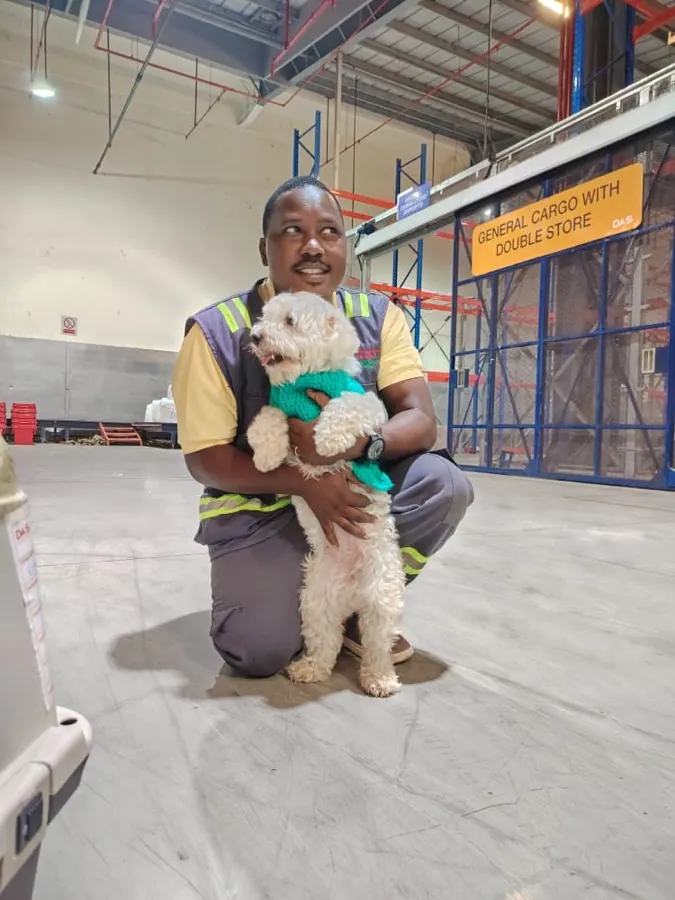
Most of what keeps a pet healthy is unglamorous and repetitive. Here is what matters most in our climate, and what should send you to a clinic today rather than at the weekend.
Parasite control is the whole game
In this climate, parasite prevention is not optional maintenance — it is the single highest-value thing most owners can do.
That covers ticks and fleas externally, and worms internally. Both are year-round concerns here rather than seasonal ones, and both are far easier to prevent than to treat. Tick-borne disease in particular can go from "a bit quiet" to seriously unwell quickly.
Set a schedule with your vet and keep to it. Write the dates down; you will need them for boarding and for travel anyway.
Heat
Dogs cool themselves mainly by panting, which becomes much less effective in humid conditions. Snub-nosed breeds start from a disadvantage and have very little margin.
Practical version: walk early or late, never in the middle of the day. Water always available, in shade. Never leave a pet in a parked vehicle, not even briefly, not even with windows cracked.
Heavy panting that does not settle with rest and water, unsteadiness, or bright red gums are an emergency, not a wait-and-see.
Weight
Weight creeps up invisibly because you see your pet every day. The check is physical, not visual: you should be able to feel the ribs easily under a thin layer, and see a waist from above.
Extra weight loads joints, worsens heat tolerance and shortens life. It is also almost entirely fixable with portion control — measured meals, and honesty about treats and table scraps.
Teeth
Dental disease is the condition owners most consistently underestimate. It is painful, it is common, and because pets rarely stop eating, it goes unnoticed for years.
Bad breath is not normal. It is usually the first sign. Ask for a dental check at routine visits.
Preventive visits
An annual examination on a well animal is not a formality. Weight trends, dental changes, lumps, heart sounds and joint stiffness are all things a vet notices earlier than an owner does, and all are cheaper and kinder to treat early.
If your pet is older, twice yearly is better. Ageing happens faster than it does in people.
Signs that mean go today
Not next week:
- Difficulty breathing, or breathing that is fast at rest
- Repeated unproductive retching, or a swollen, hard abdomen
- Straining to urinate, particularly in male cats
- Collapse, seizures, or sudden weakness
- Pale, white or bright red gums
- Vomiting or diarrhoea that continues beyond a day, or contains blood
- Any injury to an eye
- Not eating at all for more than a day
- A bitch struggling in labour
Cats in particular hide illness well. A cat that has become quiet and withdrawn is often further along than it looks.
Keep a record
Vaccination dates, parasite treatment dates, microchip number, any medication and any past problems. It makes every consultation faster and better, it is required for boarding, and if you ever relocate, it becomes the foundation of the export file.
We are open Mon–Sun, 8:00am–6:30pm, with in-house cover for emergencies between 7:00pm and 7:00am, and we have digital X-ray, ultrasound, haematology and a laboratory on site. Book an appointment or just come in.